Why bring an intimacy professional in during pre-production?
Recently, I’ve been reflecting on the difference between productions that bring me onboard during pre-production and those that bring me in later in the process.
I genuinely enjoy working on shows regardless of when I’m engaged, but there is something particularly powerful about being involved early. Pre-production is where I’m able to do the most meaningful work, and almost all of it happens quietly, behind the scenes. When I’m involved from the beginning, my role extends far beyond choreography in the rehearsal room.
This is the work I’m able to do during pre-production.
1. Detailed risk analysis
This work begins with a deep dive into the script. I identify every scene and moment that may carry an element of risk and then categorise them accordingly. Some moments simply require awareness, while others need preparation before rehearsal begins. Some should be clearly highlighted in the audition pack, and others require the expertise of an intimacy director, a fight choreographer, or sometimes both.
Mapping this early allows the production team to make informed decisions well before anyone is placed in a vulnerable position. It also means risk is addressed holistically across the production, rather than reactively when issues arise.
2. Audition pack guidance
From this risk analysis, I can help draft clear content notices and ensure intimacy requirements are transparently communicated in the audition pack. This isn’t about discouraging actors from auditioning. It’s about ensuring everyone has the information they need early, so performers aren’t discovering too late that a role requires something they are not comfortable with.
Clear audition packs mean productions and performers are not wasting each other’s time. Actors can opt in or out with confidence, and casting decisions are made with genuine consent rather than pressure. I can also be listed as a contact person for auditionees who have questions about how intimacy will be approached, rather than leaving those conversations to happen under pressure in the audition room.
3. Audition day and callback preparation
Auditions are one of the most vulnerable points in the process. Performers are meeting a panel for the first time, navigating power imbalance, and trying to present themselves positively in a very short window of time. When intimacy has not been considered in advance, this is often where blunders occur.
I can help select audition material that avoids unnecessary risk or suggest simple adjustments that allow scenes to be explored safely. Often only small tweaks are required, but the ramifications of not making them can be significant. Auditions should never ask performers to prove how much risk they are willing to tolerate to be cast.
4. Resource creation
When needed, I can create resources to support both cast and crew throughout the process. This has included rehearsal room posters, mental health first aid information, lists of support services, and intimacy kit checklists for productions.
For shows with potentially activating material, I have also created information sheets for front of house staff, offering guidance on how to support patrons if needed. This kind of preparation acknowledges that the impact of a production extends beyond the rehearsal room and helps support wellbeing across the whole organisation.
5. Meetings
Being involved early means I can meet with the director and production team to gain a clear understanding of the vision for the work. When intimacy professionals are brought in later, valuable context is often missing, which can slow the process or create unnecessary friction.
Starting together means that when we reach intimacy calls, the work is clearer, more efficient, and more collaborative. We are already speaking the same language, which makes the rehearsal room a more productive and supportive space.
6. Mental Health First Aid support
I can act as a Mental Health First Aider at any stage of the process, but for emotionally heavy shows, it can be particularly valuable to have this support available during auditions. This provides an additional layer of care at a time when performers may be navigating heightened vulnerability.
There should be no intimacy required in an audition setting. While intimacy sometimes appears in callbacks, I believe this is unnecessary and can place performers at risk, particularly when they may not even be cast. Chemistry can be crafted. Trauma cannot be undone.
7. Early rehearsal intimacy information session
While intimacy choreography should not happen in the first few rehearsals, an early full-cast session around consent, boundaries, and process is incredibly valuable. It allows expectations to be set early and gives performers a shared language they can return to throughout the rehearsal period.
It also introduces me to the cast and establishes an additional reporting pathway. I can act as an intermediary when performers do not feel confident advocating directly to the production team, helping to address concerns before they escalate.
Most of this work simply cannot happen when I’m brought in at the last minute. At that point, the focus is often limited to staging specific moments. While those moments can still be made safe and effective, the production has already missed opportunities to strengthen process, reduce risk, and support artists earlier.
That difference can affect whether performers choose to work with a company again, or even whether they audition in the future.
If you are tackling a work with significant emotional or physical content, intimacy direction should be prioritised in the budget. If budget is a concern, talk to your intimacy professional early. Many of us are open to working within constraints, sharing workload with mentees, or tailoring our involvement to best support the production. Pre-production intimacy work is preventative, practical, and deeply effective.
Bring your intimacy professional in early. Everyone benefits.
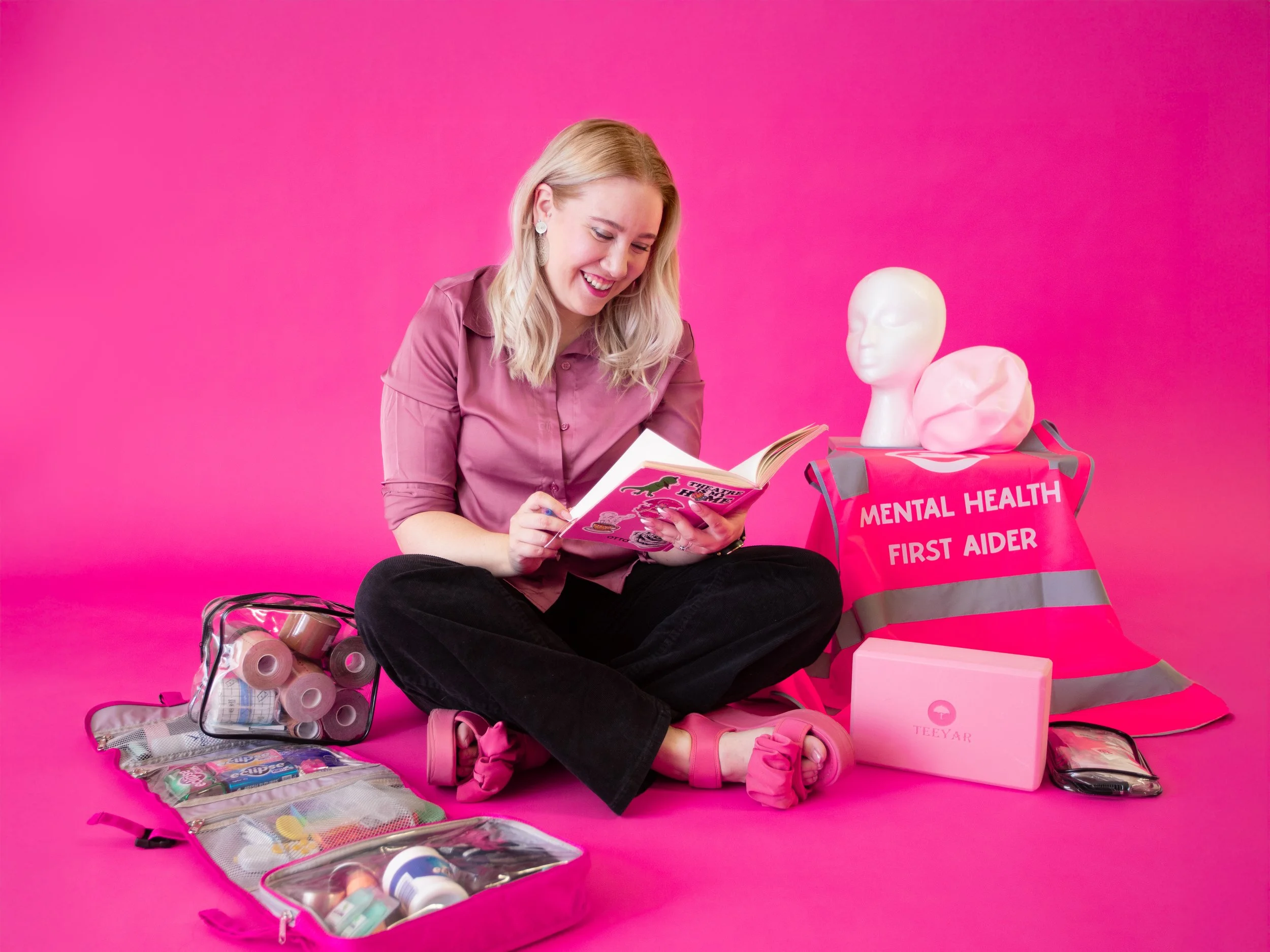
Your friendly intimacy director is here to help!